
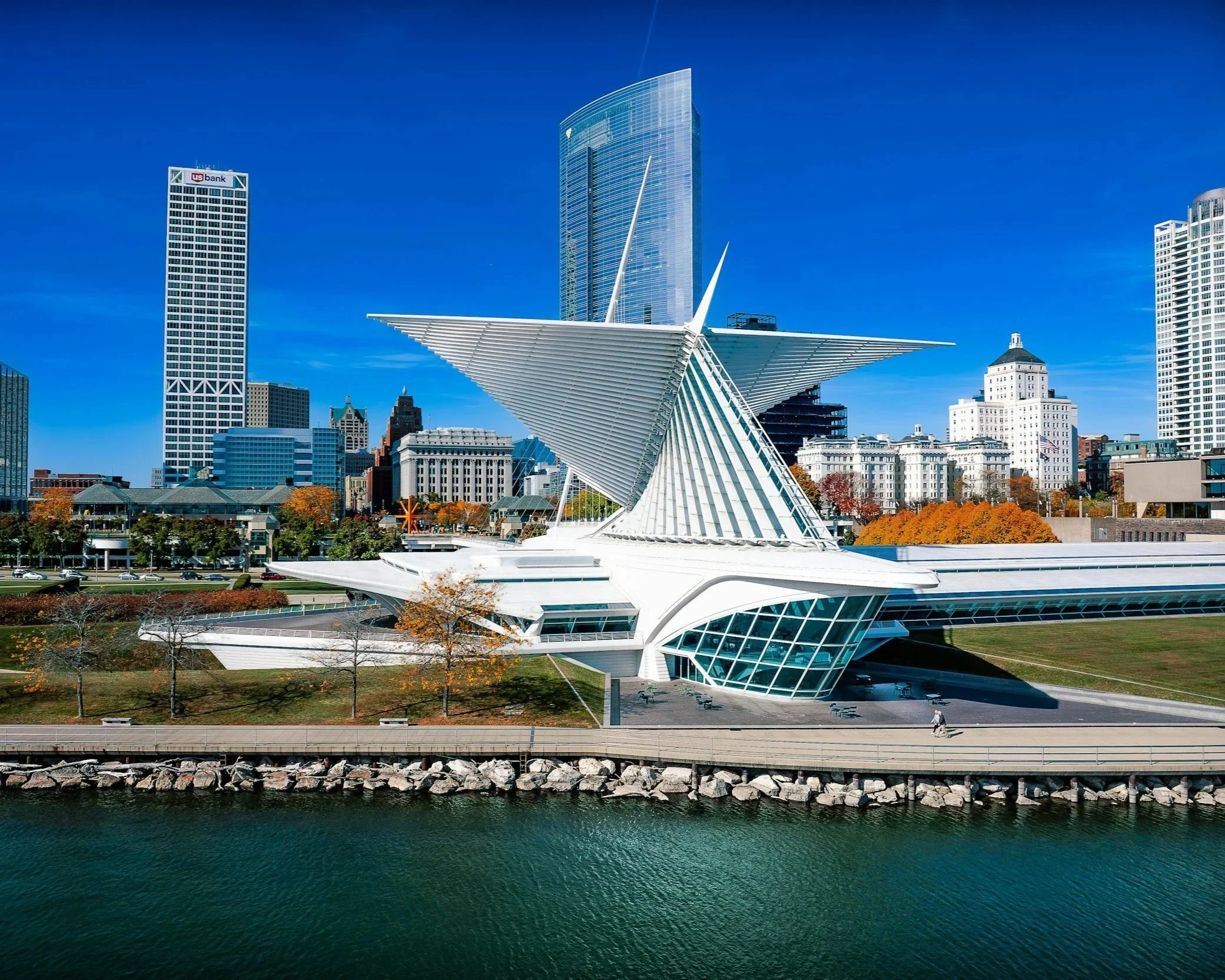
Living in Milwaukee, Wisconsin
Situated along the western shore of Lake Michigan, Milwaukee is Wisconsin's largest city and a regional center for business, culture, education, and recreation. Known for its historic neighborhoods, vibrant lakefront, thriving arts scene, world-renowned festivals, and diverse housing options, Milwaukee offers a unique blend of urban energy, architectural character, and Midwestern hospitality. Whether you're relocating for work, looking for a walkable neighborhood, or simply exploring everything southeastern Wisconsin has to offer, Milwaukee has a community to match a wide range of lifestyles and goals.
Milwaukee at a Glance
-
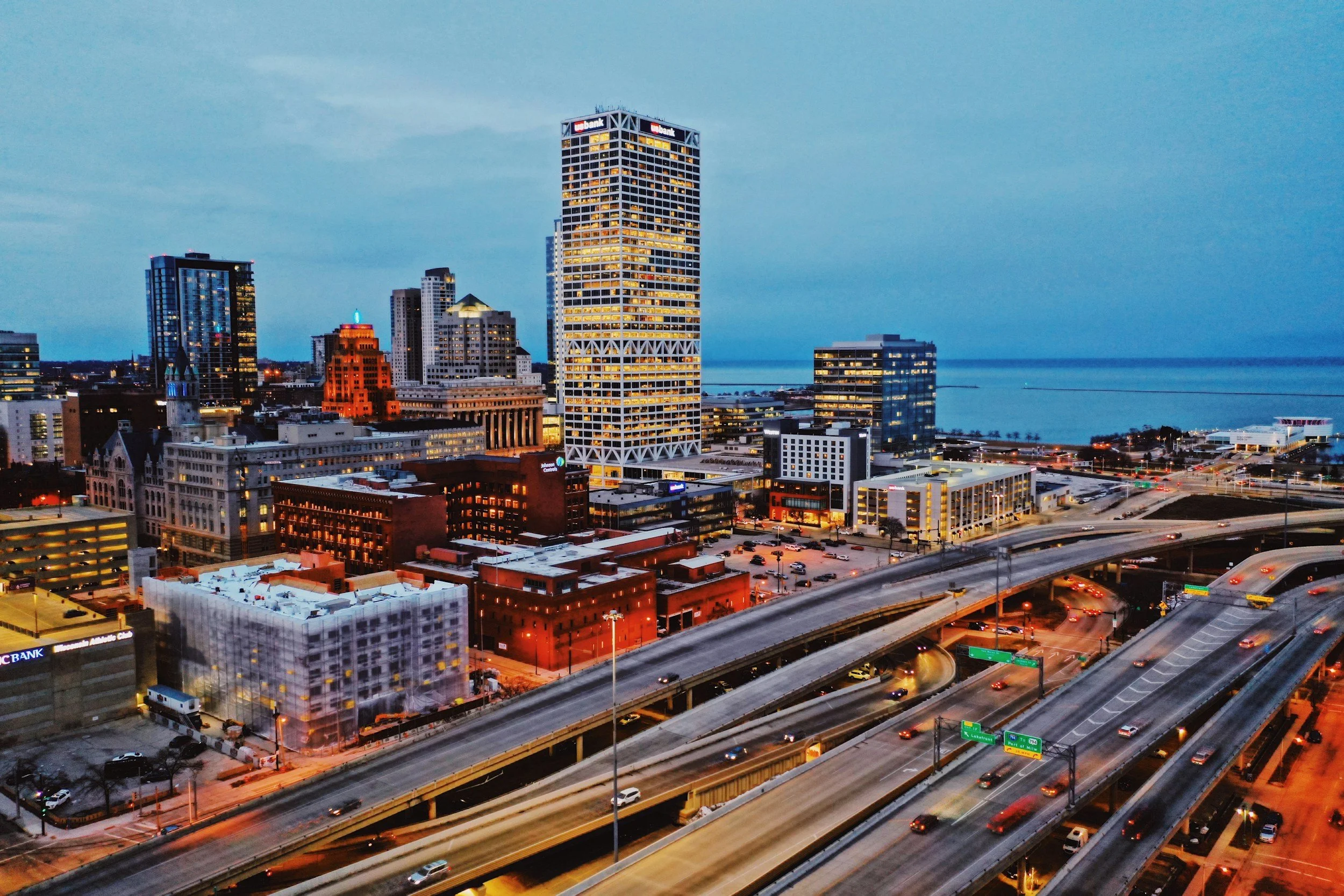
Population
Approximately ~1.57 million people
-
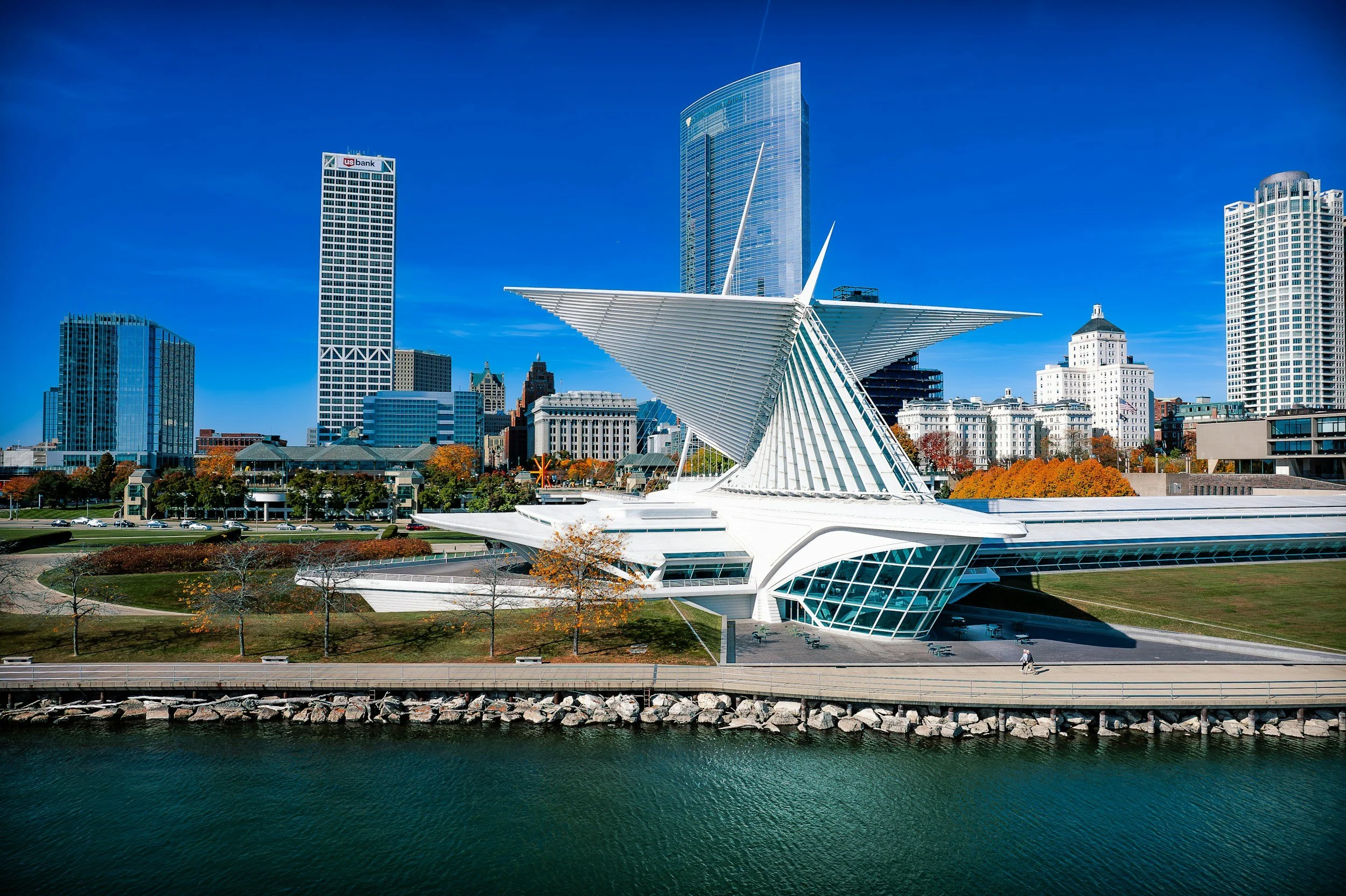
County
Milwaukee County
Incorporated in 1846
-
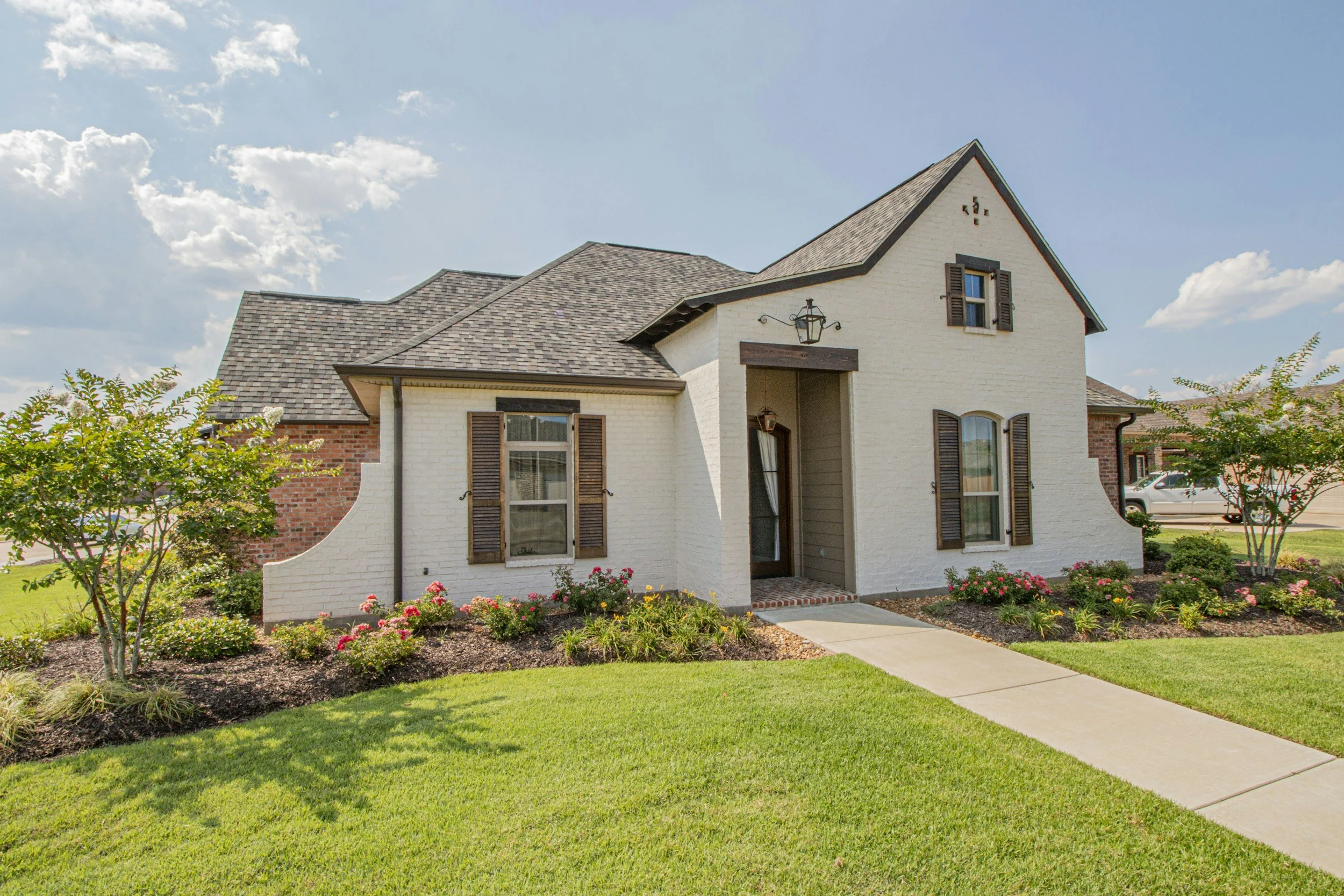
Median Home Value
Approximately $236,000
Varies by property type and location
-

Commute
About 30 minutes
Welcome to Milwaukee
Milwaukee is a city shaped by water. Located on the shores of Lake Michigan where the Milwaukee, Menomonee, and Kinnickinnic Rivers converge, its geography has influenced everything from its early industrial growth to the vibrant neighborhoods and public spaces that define the city today. Originally incorporated in 1846, Milwaukee developed as one of the Great Lakes' most important port cities before becoming an international center for brewing, manufacturing, and commerce. Today, it continues to evolve while preserving the architectural heritage and cultural traditions that make it one of the Midwest's most distinctive cities.
One of Milwaukee's greatest strengths is the diversity of its neighborhoods. From the warehouse lofts and restaurants of the Historic Third Ward to the lakefront charm of the East Side, the creative energy of Bay View, and the business district of downtown, each area has its own personality and character. Rather than feeling like one continuous urban landscape, Milwaukee is a collection of unique communities connected by parks, waterways, trails, and shared civic pride.
Milwaukee is equally recognized for its commitment to public spaces. More than ten miles of Lake Michigan shoreline, the Milwaukee RiverWalk, expansive county parks, beaches, marinas, and an extensive trail network provide countless opportunities to enjoy the outdoors without leaving the city. Combined with nationally recognized museums, professional sports, award-winning restaurants, and one of the country's most active festival calendars, Milwaukee offers an exceptional balance of urban amenities and outdoor recreation.
Why People Love Living in Milwaukee
Milwaukee offers an experience that is difficult to replicate elsewhere in the Midwest. It combines the cultural amenities and career opportunities of a major metropolitan area with a scale that remains approachable and easy to navigate. Residents enjoy access to professional sports, performing arts, higher education, waterfront recreation, and a nationally recognized food and brewery scene, all within a city where neighborhoods retain their own distinct identities.
The city's location on Lake Michigan shapes daily life in countless ways. Beaches, marinas, waterfront parks, and scenic trails create opportunities for sailing, kayaking, cycling, running, and simply enjoying the shoreline throughout every season. The Milwaukee RiverWalk has become one of the city's defining public spaces, connecting downtown with restaurants, public art, entertainment venues, and riverfront neighborhoods while showcasing Milwaukee's ongoing investment in urban redevelopment.
Milwaukee is also known for celebrating community. Throughout the year, festivals, neighborhood events, farmers markets, concerts, and cultural celebrations bring people together across the city. From Summerfest and Irish Fest to Mexican Fiesta and countless local events, Milwaukee embraces its history and diversity through experiences that have become woven into the city's identity.
What Makes Milwaukee Unique?
Every major city has its own personality, but Milwaukee stands apart through the combination of history, waterfront living, neighborhood diversity, and year-round community events.
Among its defining characteristics are:
More than ten miles of publicly accessible Lake Michigan shoreline.
The Milwaukee RiverWalk connecting downtown neighborhoods and riverfront attractions.
One of the largest festival calendars in the United States, including Summerfest and numerous cultural festivals.
Historic brewing heritage alongside a thriving modern brewery scene.
Diverse neighborhoods ranging from historic districts to contemporary downtown developments.
Nationally recognized museums, performing arts venues, and waterfront attractions.
Extensive county parks, beaches, and regional trail systems.
Milwaukee's identity isn't built around a single attraction. Instead, it's the combination of its waterfront, historic architecture, neighborhood character, cultural institutions, and community traditions that gives the city its unmistakable sense of place.
Housing in Milwaukee
Milwaukee offers one of the most diverse housing markets in Wisconsin. Historic Cream City brick homes, classic bungalows, duplexes, Victorian residences, converted warehouse lofts, lakefront condominiums, and modern apartment towers all coexist within the city's many neighborhoods. Because Milwaukee developed over nearly two centuries, architectural styles vary significantly depending on the area, allowing buyers to explore everything from nineteenth-century homes to newly constructed riverfront developments.
Historic neighborhoods throughout the city showcase Milwaukee's architectural heritage, while downtown and the Historic Third Ward continue to experience redevelopment through mixed-use projects and adaptive reuse of former industrial buildings. Along the lakefront and riverfront, condominium developments offer low-maintenance living with convenient access to restaurants, entertainment, and recreational amenities. Buyers seeking larger lots and detached homes will also find established residential neighborhoods throughout the city, each offering its own architectural character and community feel.
One of Milwaukee's defining real estate characteristics is the variation between neighborhoods. Housing prices, architectural styles, density, and neighborhood amenities can differ dramatically from one area to another, making local knowledge especially valuable when comparing communities. Exploring neighborhoods individually is often one of the best ways to understand the city's diverse housing opportunities.
Explore Milwaukee
Parks, Lakefront & Outdoor Recreation
Milwaukee's lakefront is one of the city's greatest assets. Veterans Park, Lake Park, Bradford Beach, McKinley Marina, and miles of shoreline provide opportunities for boating, paddleboarding, sailing, cycling, walking, and relaxing along Lake Michigan. The city's extensive park system extends well beyond the waterfront, connecting neighborhoods through scenic green spaces, athletic facilities, nature areas, and regional trails.
The Oak Leaf Trail serves as the backbone of Milwaukee's cycling and pedestrian network, linking parks, neighborhoods, beaches, and surrounding communities throughout Milwaukee County. Combined with the Milwaukee RiverWalk and numerous neighborhood parks, the city offers exceptional access to outdoor recreation within an urban environment. Whether exploring the shoreline, kayaking the Milwaukee River, enjoying a county park, or biking through the city, outdoor recreation is an integral part of everyday life in Milwaukee.
Dining, Shopping & Entertainment
Milwaukee has developed one of the Midwest's most dynamic dining scenes. Locally owned restaurants, neighborhood cafés, historic taverns, breweries, and chef-driven establishments can be found throughout the city, reflecting both Milwaukee's cultural diversity and its longstanding brewing tradition. The Milwaukee Public Market remains one of the city's premier culinary destinations, while neighborhoods such as the Historic Third Ward, East Side, Bay View, and Brady Street continue to attract visitors for dining, shopping, and nightlife.
Beyond dining, Milwaukee is home to nationally recognized attractions including the Milwaukee Art Museum, Discovery World, the Harley-Davidson Museum, the Milwaukee Public Museum, and the Marcus Performing Arts Center. Professional sports, live music, theater, galleries, and year-round festivals ensure there is always something happening throughout the city. Shopping ranges from locally owned boutiques and specialty shops to larger retail districts and neighborhood commercial corridors, providing a wide variety of experiences depending on where you choose to explore.
Transportation & Accessibility
Milwaukee offers excellent regional connectivity through Interstate 94, Interstate 43, Interstate 41/U.S. 45, and several major state highways, making travel throughout southeastern Wisconsin convenient. Downtown Milwaukee is approximately 90 minutes from Chicago and less than 90 minutes from Madison, while neighboring communities throughout the metropolitan area are easily accessible by car.
Public transportation is provided by the Milwaukee County Transit System, including local bus service, the CONNECT Bus Rapid Transit line, and The Hop streetcar serving portions of downtown. Milwaukee Mitchell International Airport provides convenient domestic travel, while Amtrak's Hiawatha Service offers rail connections between Milwaukee and Chicago. For cyclists and pedestrians, the Oak Leaf Trail, Bublr Bikes bike-share program, and expanding bicycle infrastructure continue to improve mobility throughout the city.
Education
Milwaukee is served primarily by Milwaukee Public Schools, Wisconsin's largest public school district, alongside numerous charter schools, private schools, and faith-based educational options. The city is also home to several higher education institutions, including Marquette University, the Milwaukee Institute of Art & Design, and Milwaukee Area Technical College. These institutions contribute significantly to the city's economy, culture, workforce, and ongoing innovation.
As with any large metropolitan area, school attendance boundaries and available educational options vary by address. Buyers interested in specific schools or districts should always verify attendance boundaries directly with the appropriate school district before making a purchasing decision.
Annual Events & Community Traditions
Milwaukee's festival calendar is one of its defining characteristics. Summerfest, often referred to as "The World's Largest Music Festival," draws visitors from around the globe, while Irish Fest, German Fest, Mexican Fiesta, PrideFest, Festa Italiana, and numerous cultural celebrations showcase the city's rich heritage and diverse communities. Seasonal farmers markets, outdoor concerts, holiday markets, art fairs, and neighborhood festivals ensure there are opportunities to gather throughout the year.
These events do more than entertain. They contribute to Milwaukee's strong sense of community, celebrate its history and cultural diversity, and highlight the local businesses, artists, musicians, and organizations that make the city unique.
Thinking About Moving to Milwaukee?
Choosing the right neighborhood is just as important as choosing the right home. Milwaukee offers an incredible variety of communities, housing styles, and lifestyles, and understanding those differences can make all the difference when planning a move.
If you're considering relocating to Milwaukee, download my Milwaukee Relocation Guide for a deeper look at neighborhoods, housing, transportation, local attractions, and everyday life throughout the city. You can also browse current homes for sale or schedule a consultation to discuss your goals and compare Milwaukee with surrounding communities throughout southeastern Wisconsin.