
Living in Chicago, Illinois
Thinking about moving to Chicago? Whether you're relocating from another part of Illinois, moving from Wisconsin, or considering Chicago for the first time, this overview is designed to help you understand the city's neighborhoods, housing market, transportation, parks, culture, and everyday lifestyle so you can make an informed decision about where to call home.Chicago at a Glance
-
Population
Approximately 2.73 million people
-
Founded
in 1837
-
Average Home Value
Varies significantly by neighborhood
-
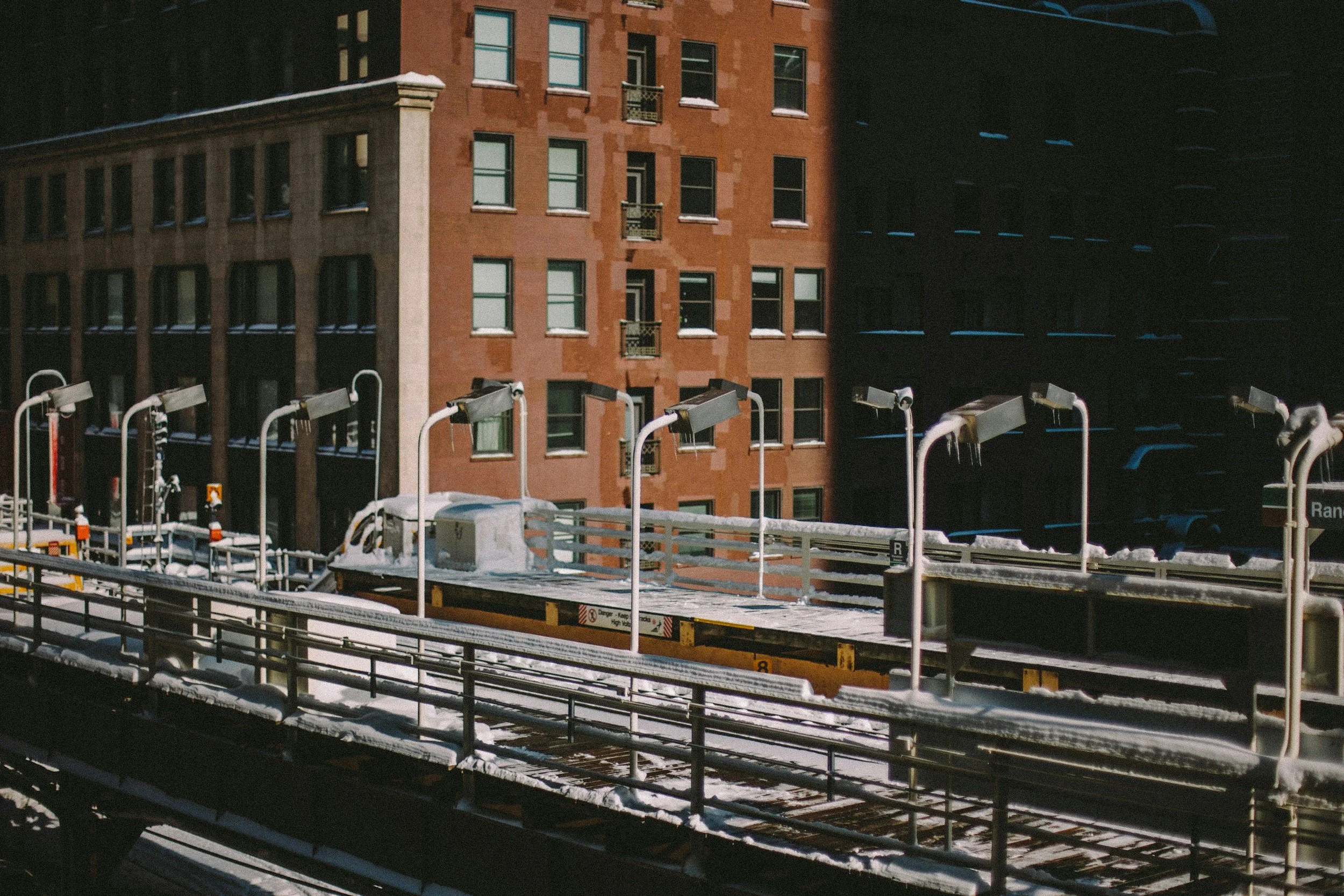
Major Transit & Airports
CTA Rail & Bus, Metra.
O'Hare & Midway International
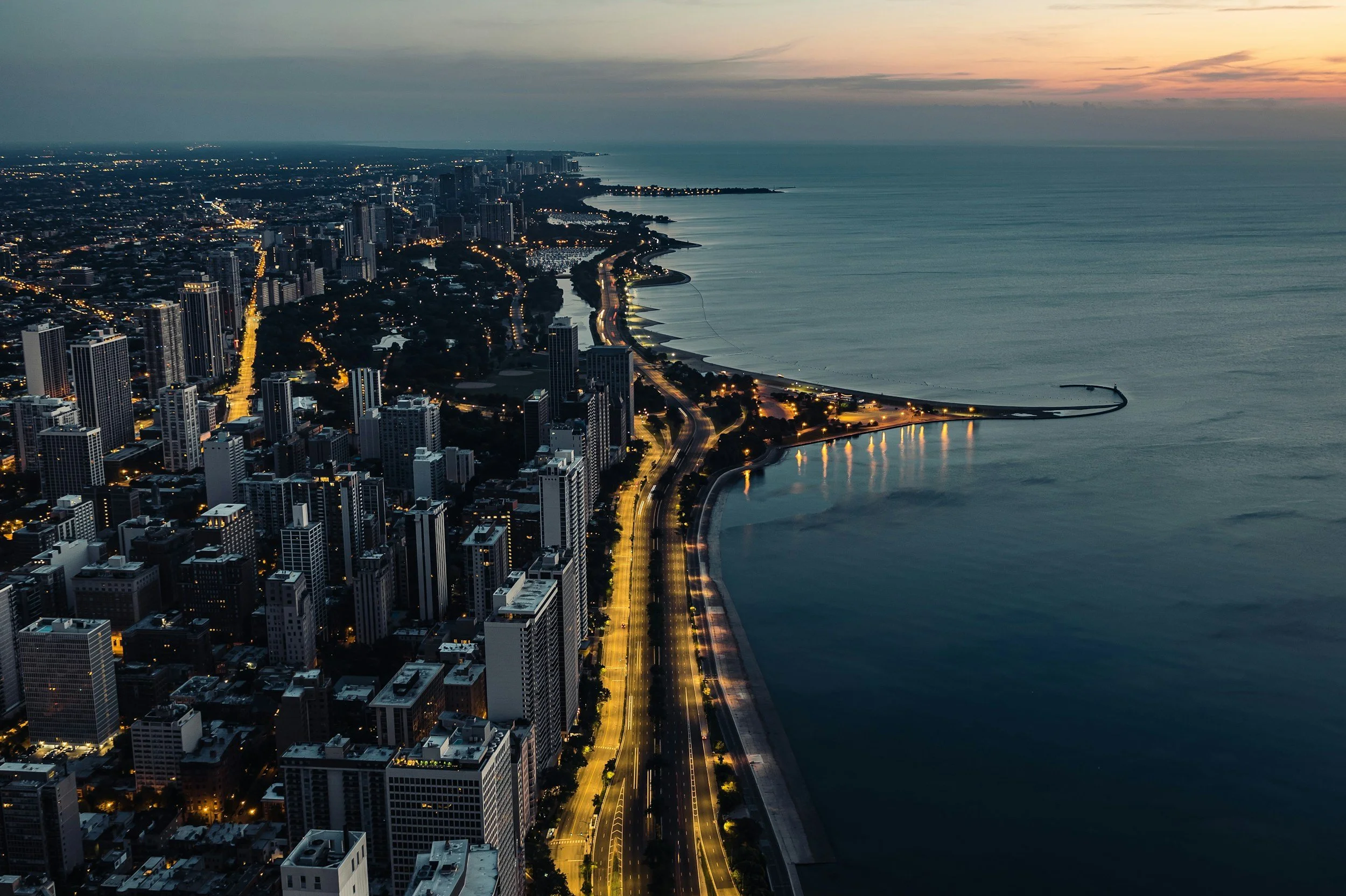
Welcome to Chicago
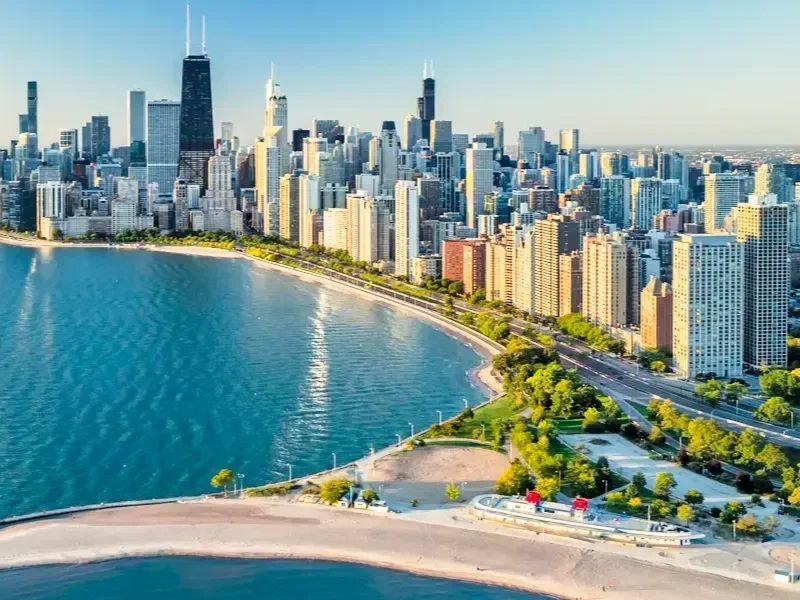
Chicago is the third-largest city in the United States and one of the country's most recognizable urban centers. Located along the southwestern shore of Lake Michigan, the city has grown from a nineteenth-century transportation hub into a global center for business, finance, education, architecture, healthcare, technology, manufacturing, logistics, and the arts. Today, Chicago's skyline, extensive public transportation system, and vibrant neighborhoods make it one of North America's most distinctive places to live. Unlike many large cities that revolve around a single downtown district, Chicago is best understood as a collection of neighborhoods, each with its own architecture, commercial districts, parks, restaurants, and community identity. From historic greystone-lined streets and lakefront high-rises to quiet residential blocks and converted warehouse lofts, the city's neighborhoods offer remarkably different living environments while remaining connected through one of the nation's largest public transportation systems. Chicago's location along Lake Michigan has shaped nearly every aspect of its development. The lakefront provides miles of public shoreline, beaches, parks, trails, harbors, and recreational opportunities while serving as one of the defining characteristics of the city itself. Combined with a strong economy, internationally recognized cultural institutions, and an extraordinary variety of housing options, Chicago offers a living experience unlike anywhere else in the Midwest.
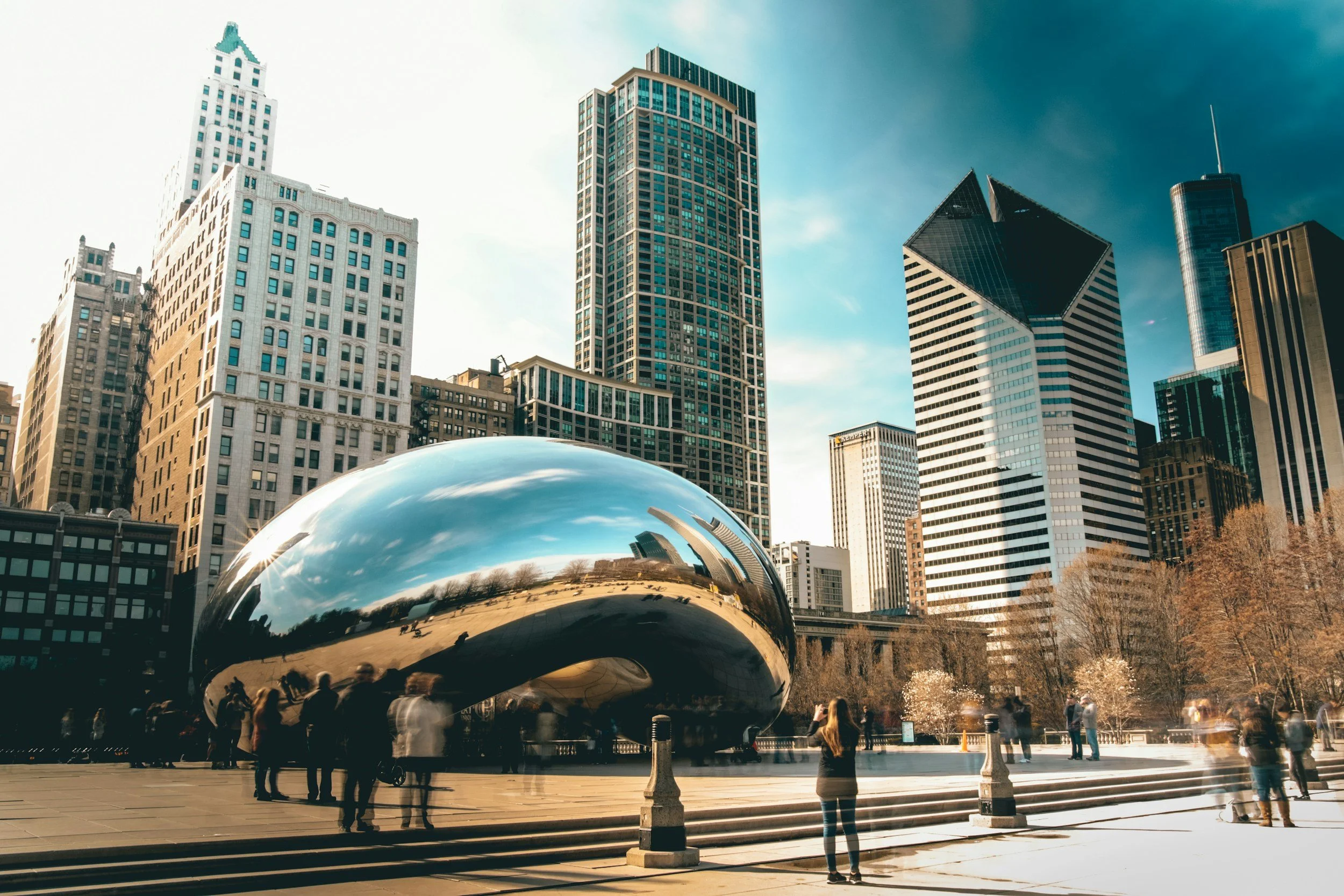
Why People Love Living in Chicago
Rather than having a single downtown lifestyle, Chicago offers dozens of unique neighborhoods, each with its own architectural character, commercial districts, local businesses, parks, and community traditions. Moving just a few miles can result in an entirely different streetscape, housing style, and day-to-day experience, making neighborhood selection one of the most important parts of the home-buying process.

Chicago is equally recognized for its cultural institutions and public spaces. The city's lakefront, museums, theaters, music venues, public art, professional sports, and renowned culinary scene contribute to an environment where there is always something new to experience. Residents enjoy access to nearly thirty public beaches, an extensive trail network, museums, performing arts venues, neighborhood festivals, and one of the nation's largest collections of public parks.

Economically, Chicago is one of the most diverse metropolitan areas in the United States. Major employers span finance, healthcare, higher education, logistics, transportation, manufacturing, technology, government, and professional services. This broad economic base, combined with two international airports and extensive regional transportation, has helped establish Chicago as one of the Midwest's most important business centers.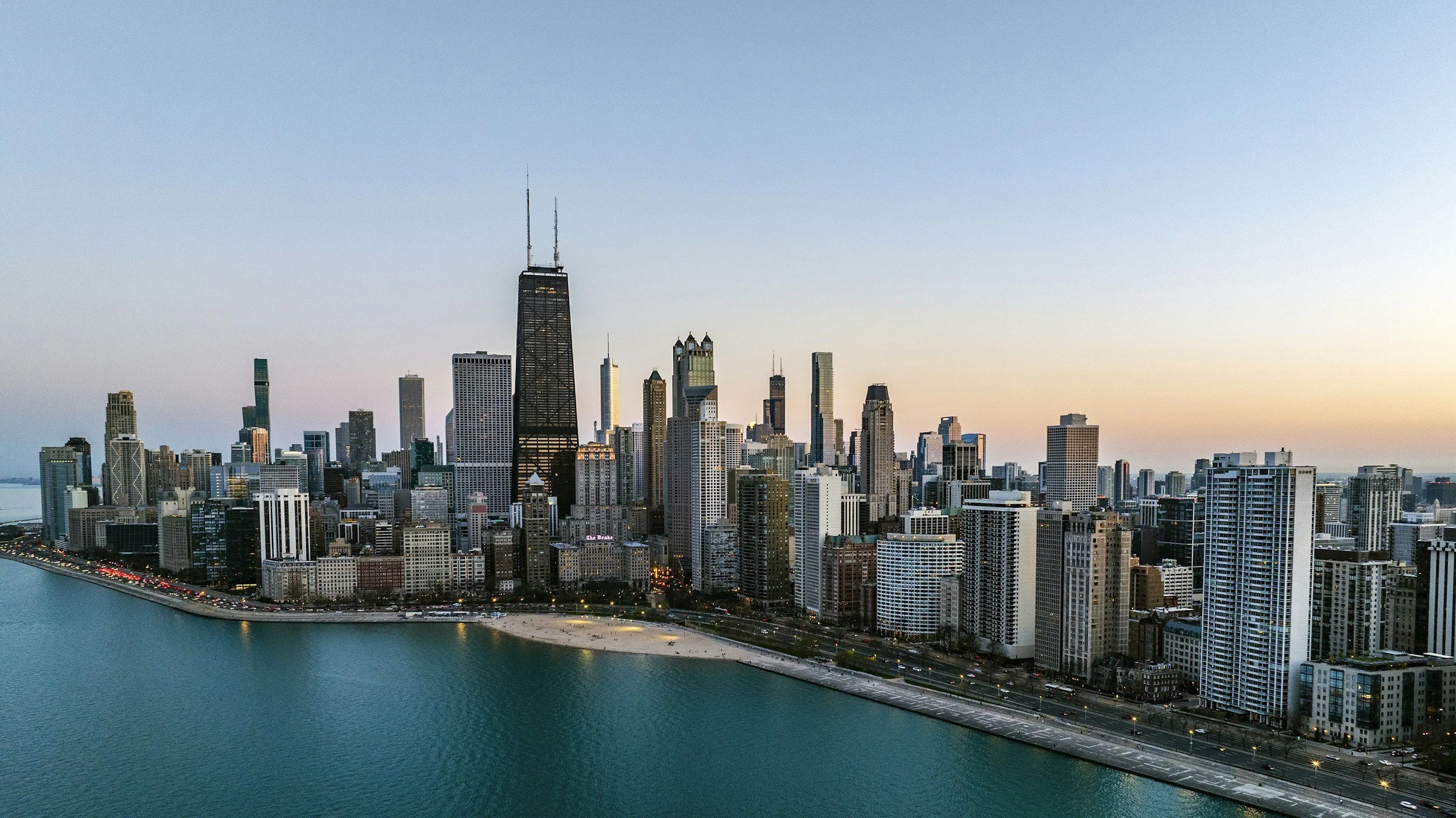
One of its most recognizable features is its relationship with Lake Michigan. More than 26 miles of publicly accessible shoreline provide beaches, marinas, parks, walking trails, cycling routes, and uninterrupted waterfront views that are integrated into everyday city life. Unlike many waterfront cities where access is limited by private development, Chicago's lakefront remains a defining public space enjoyed throughout the year.

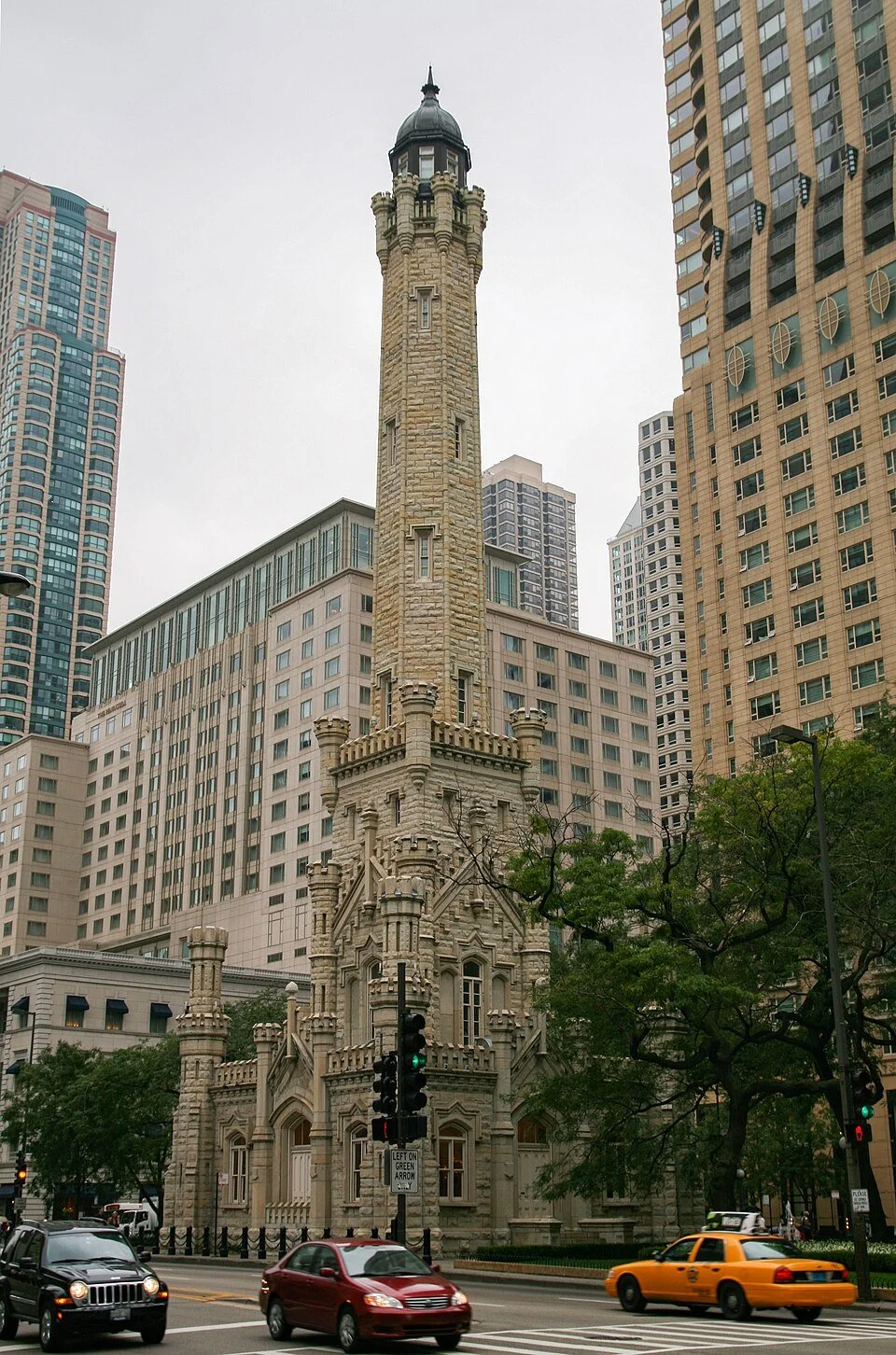
Chicago is also internationally recognized for its architecture. Historic greystone buildings, classic Chicago bungalows, brick two-flats, warehouse loft conversions, Art Deco skyscrapers, and contemporary glass high-rises all exist within the same city. This architectural diversity reflects nearly two centuries of growth and contributes to the unique character of each neighborhood.

Another defining feature is transportation. The Chicago Transit Authority's elevated rail system, commonly known as the "L," combined with Metra commuter rail and an extensive bus network, allows many residents to travel throughout the city and surrounding suburbs without relying exclusively on a personal vehicle. Few cities in the Midwest offer the same level of public transportation connectivity.
What Makes Chicago Unique?
Housing in Chicago
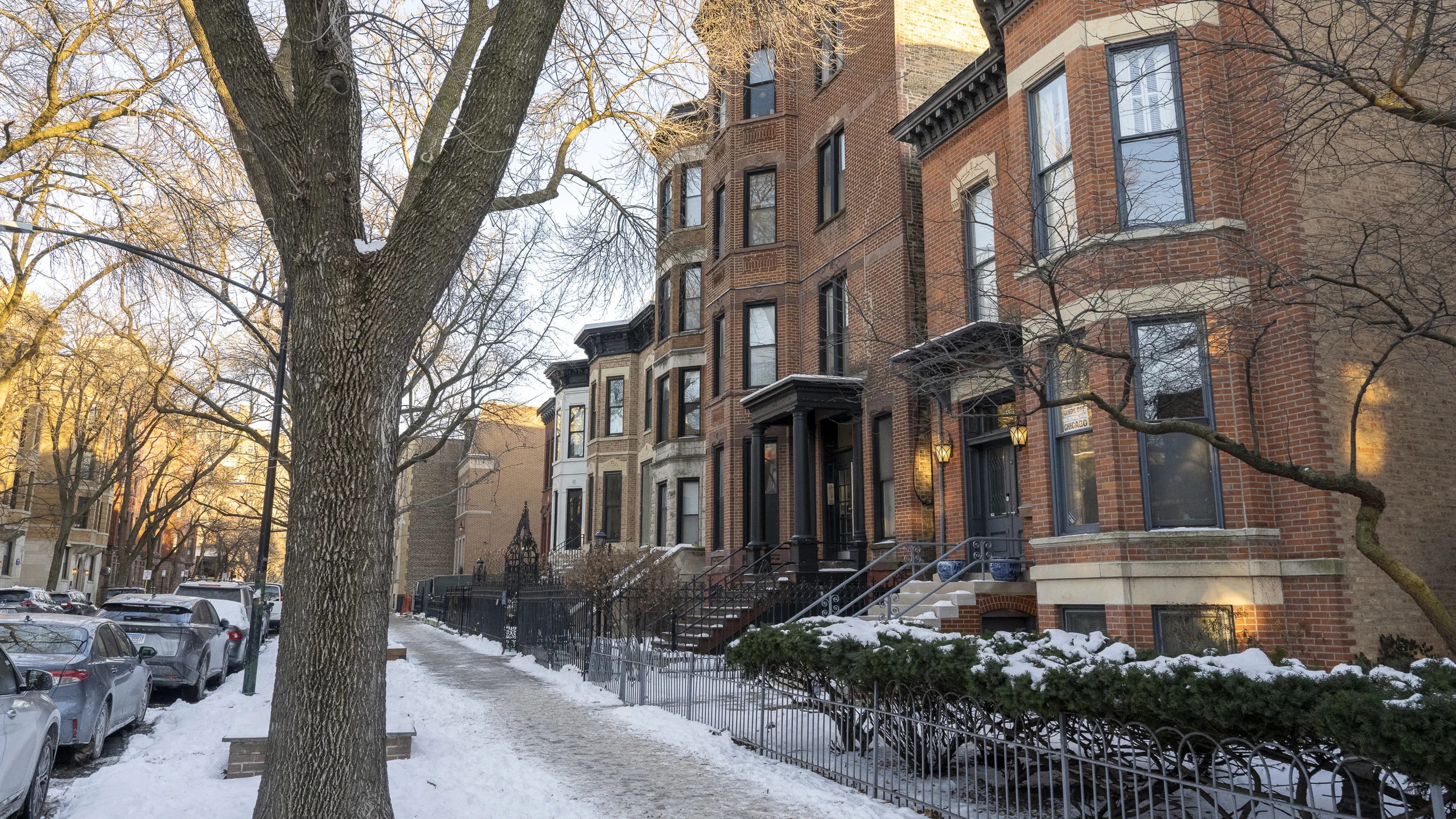
Chicago offers tons of options when it comes to housing. Ranging from historic single-family homes and brick Greystone to modern condominiums, luxury high-rises, loft conversions, townhomes, and classic two- and three-flat buildings. Because the city developed over nearly two centuries, housing styles vary considerably from neighborhood to neighborhood, creating an unusually broad selection of architectural styles and living environments.

Historic housing remains one of Chicago's defining characteristics. Neighborhoods throughout the city feature classic Chicago bungalows, greystones, Victorian homes, worker cottages, and early twentieth-century apartment buildings that continue to shape the city's residential landscape. Many former industrial buildings have also been converted into residential lofts, particularly in neighborhoods experiencing ongoing redevelopment and adaptive reuse.

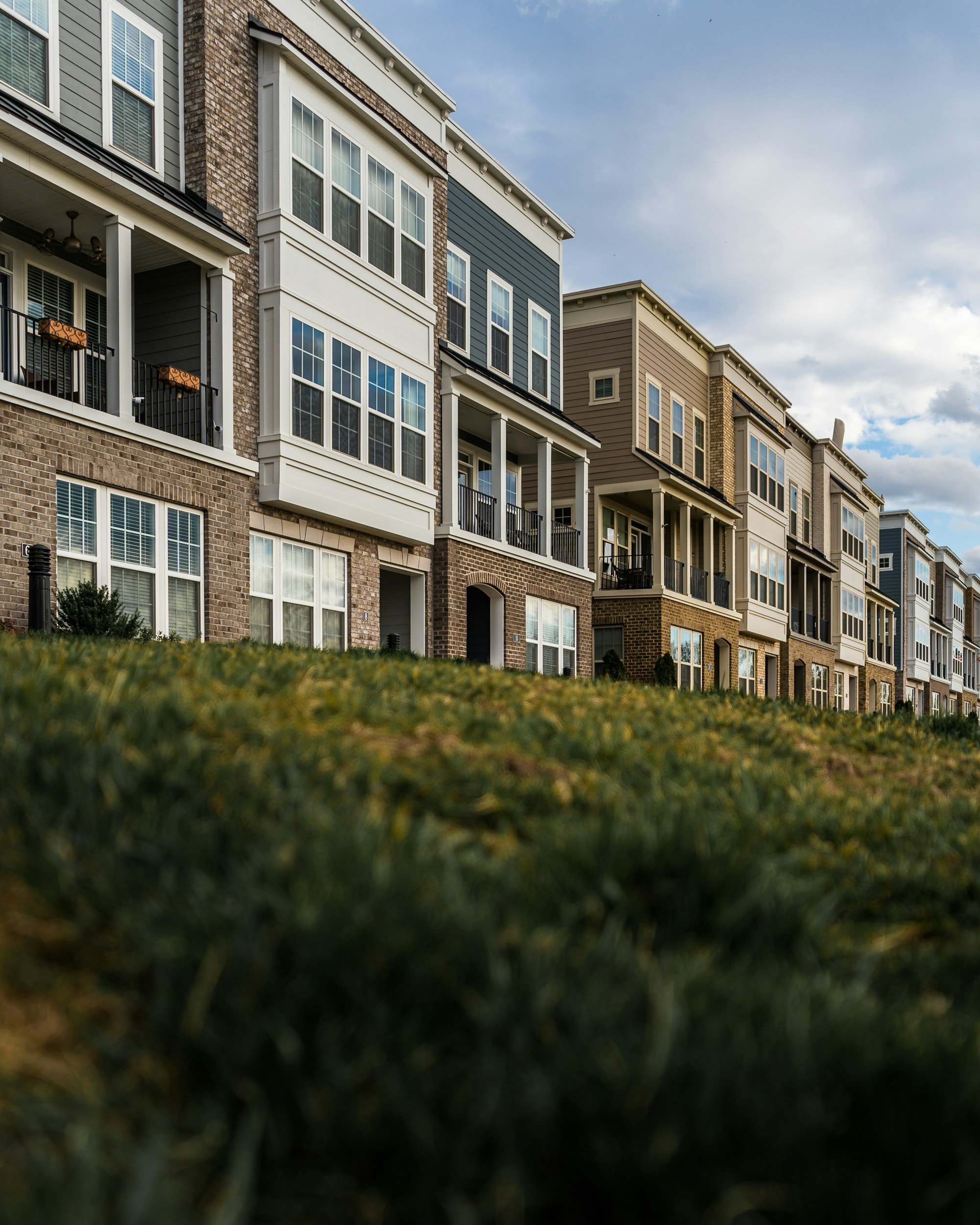
Condominiums play a significant role in Chicago's housing market, particularly throughout downtown and lakefront neighborhoods where mid-rise and high-rise buildings are common. Townhomes and attached housing are also found in many planned developments, while detached single-family homes remain prevalent throughout numerous residential neighborhoods beyond the downtown core. Rather than following a single housing pattern, Chicago offers a wide range of ownership opportunities depending on neighborhood, architectural preference, and lifestyle.

Redevelopment continues to shape portions of the city, particularly in areas such as Fulton Market, the West Loop, and the South Loop, where former industrial properties have been transformed into mixed-use districts featuring housing, offices, restaurants, retail, and public gathering spaces. At the same time, many historic neighborhoods have preserved their original architectural character through landmark protections and ongoing reinvestment, creating a city where historic preservation and modern development exist side by side.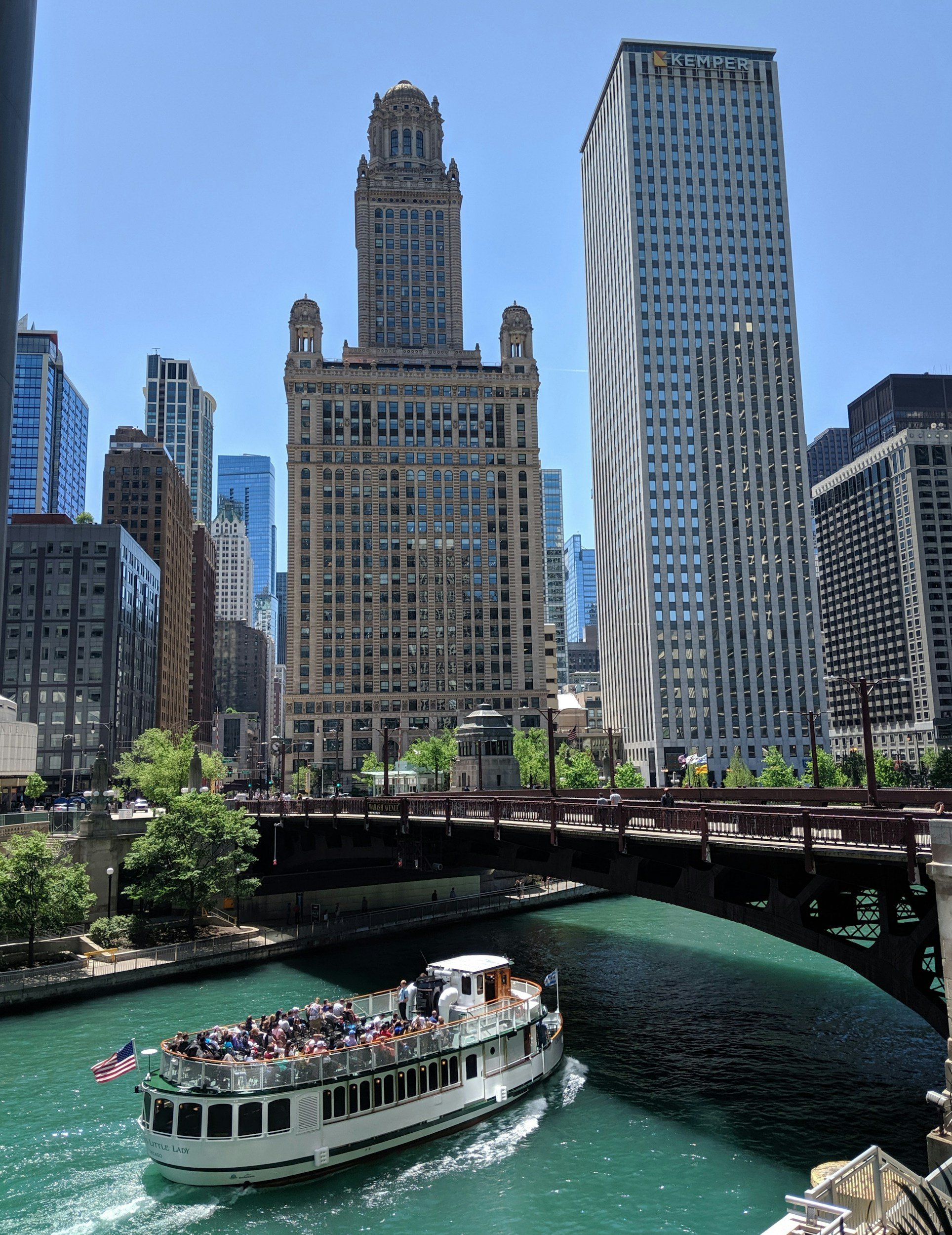
Explore Chicago
Parks, Lakefront & Outdoor Recreation
One of Chicago's defining characteristics is its extraordinary commitment to public green space. More than 8,800 acres of parkland, nearly 600 parks, and over 26 miles of publicly accessible Lake Michigan shoreline create opportunities for recreation that are unusual for a city of its size. Rather than treating the waterfront as private development, Chicago has preserved its lakefront as public space for generations, making beaches, trails, harbors, and parks accessible throughout the city.
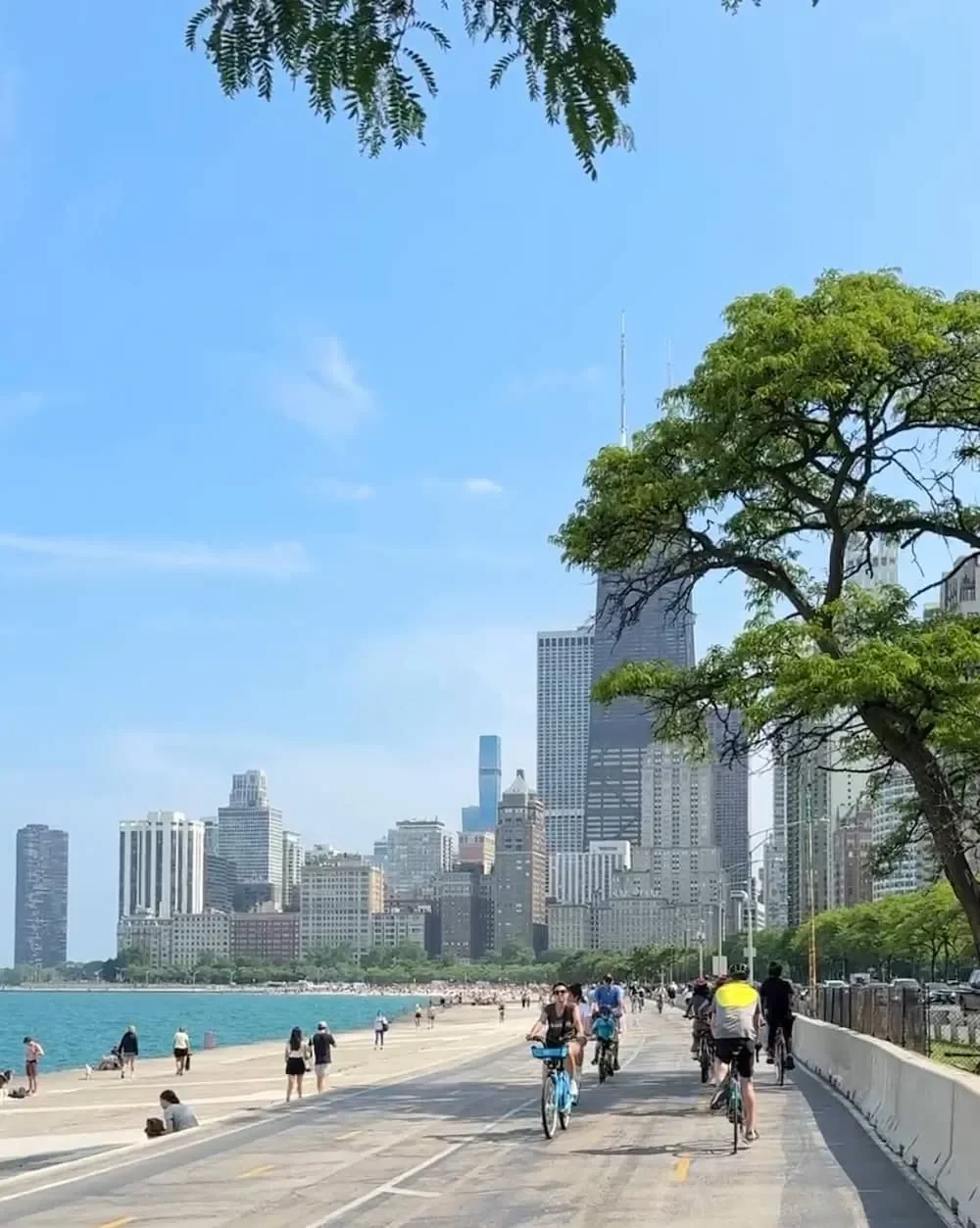
Among the city's most recognizable destinations is Lincoln Park, home to miles of walking paths, athletic fields, gardens, lagoons, and the free Lincoln Park Zoo. Millennium Park has become an international landmark thanks to its public art installations, including Cloud Gate ("The Bean"), while nearby Grant Park hosts festivals, concerts, and major civic events throughout the year. The Lakefront Trail connects beaches, neighborhoods, museums, and parks, providing one of the country's most extensive urban cycling and pedestrian corridors.
Outdoor recreation extends well beyond the lakefront. Neighborhood parks, forest preserves, community gardens, riverwalks, golf courses, boating facilities, kayaking on the Chicago River, and year-round programming provide countless opportunities to enjoy the outdoors. Whether exploring the shoreline, spending an afternoon at a neighborhood park, or cycling along the lake, public spaces remain central to everyday life throughout Chicago.
Dining, Coffee & Local Favorites
Chicago has earned international recognition as one of North America's premier dining destinations. While iconic dishes such as deep-dish pizza and Chicago-style hot dogs are part of the city's identity, the culinary landscape extends far beyond these well-known specialties. Nearly every neighborhood offers its own collection of independent restaurants, bakeries, cafés, breweries, and family-owned establishments representing cuisines from around the world.
Food is woven into the identity of Chicago's neighborhoods. Areas such as Chinatown, Little Italy, Pilsen, and Devon Avenue showcase the city's cultural diversity through restaurants, specialty markets, and neighborhood businesses that have become local institutions over generations.
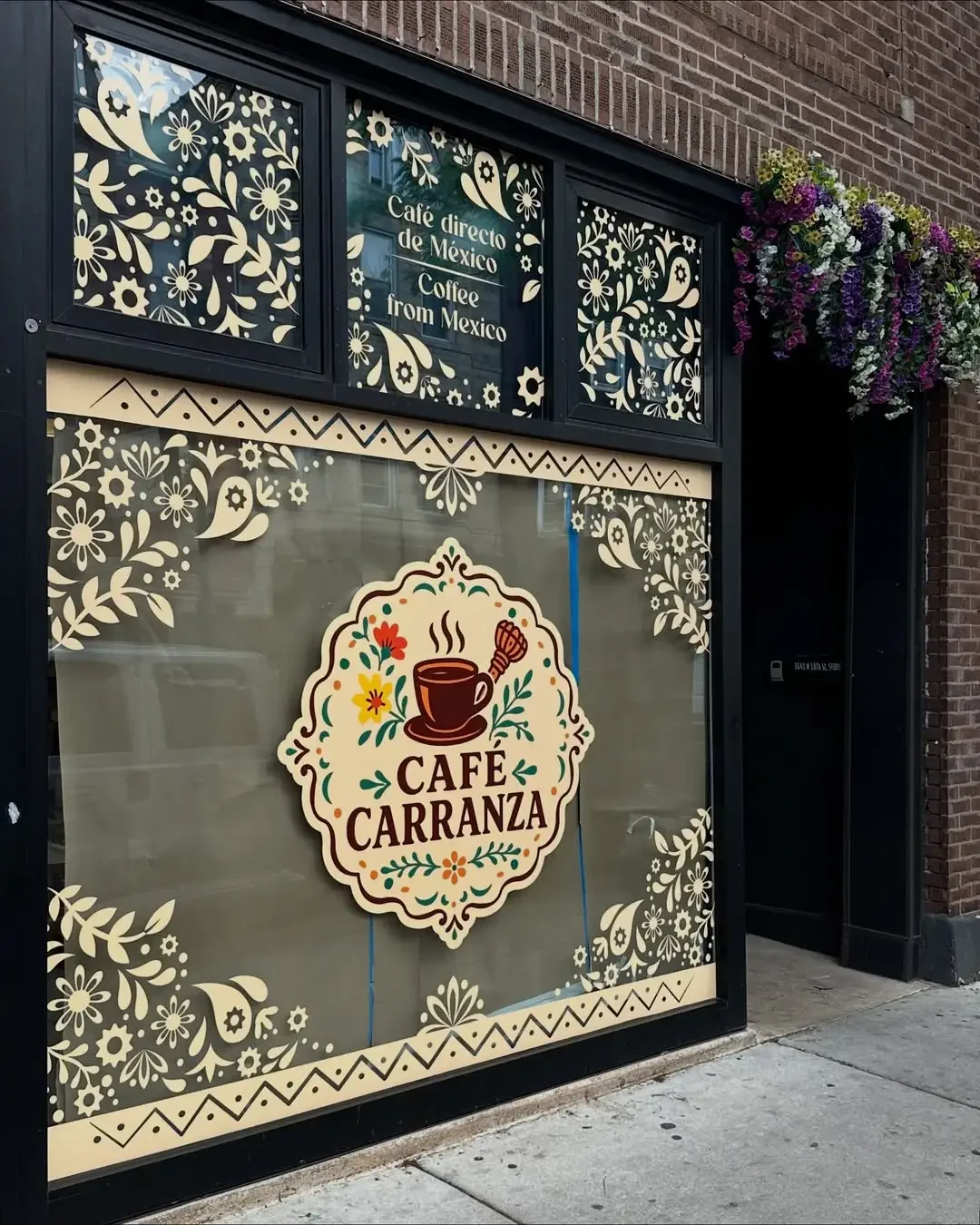
Coffee culture has also flourished throughout the city. Independent cafés serve as neighborhood gathering places, while local roasters, bakeries, and bookstores create inviting spaces throughout Chicago's commercial districts. Seasonal farmers markets, food festivals, and neighborhood street fairs further highlight the city's emphasis on supporting local businesses and celebrating regional food traditions.
Shopping, Arts & Entertainment
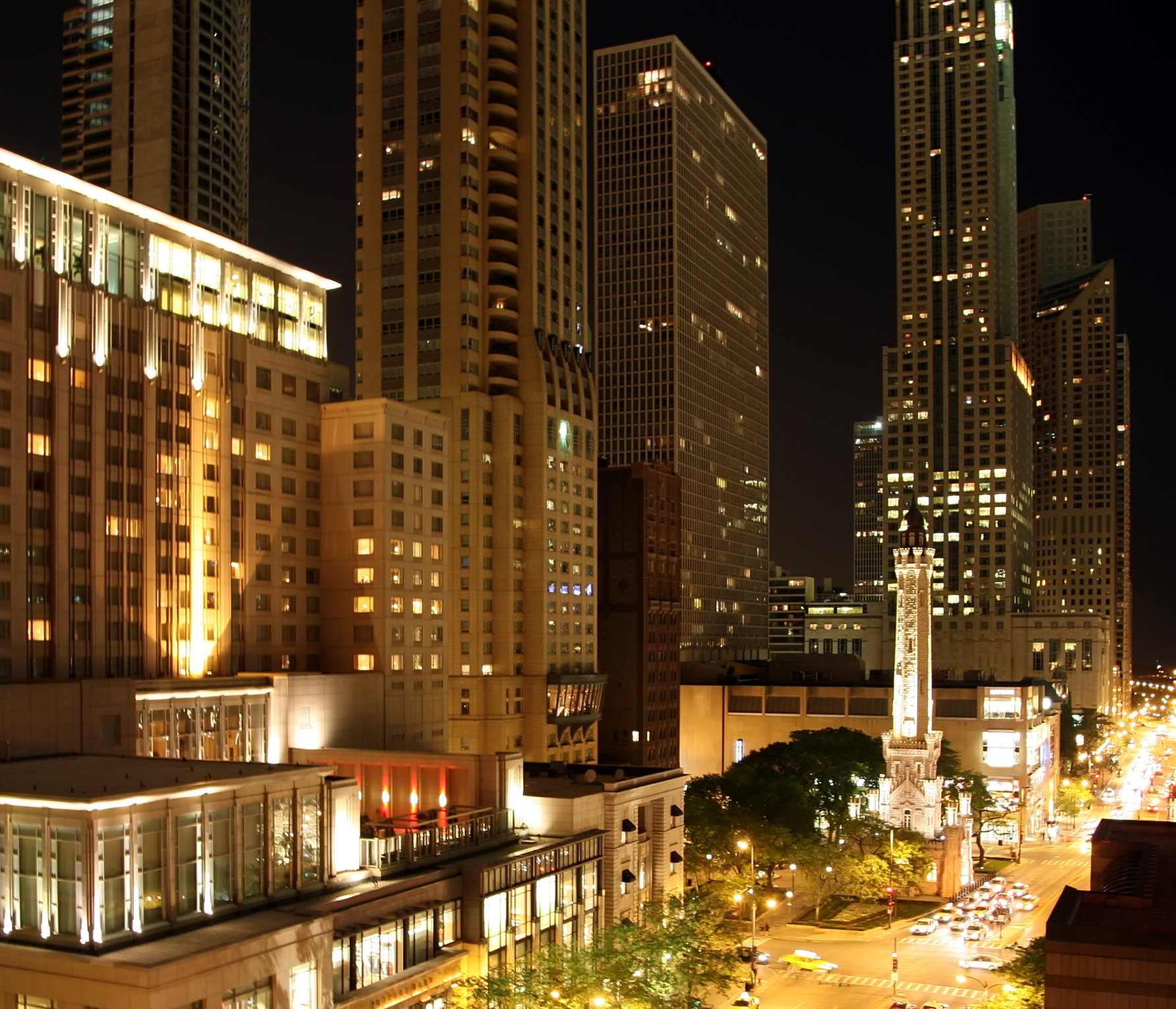
Chicago offers one of the Midwest's most diverse collections of shopping, entertainment, and cultural attractions. The city's commercial districts range from luxury retail and flagship stores along The Magnificent Mile to locally owned boutiques, bookstores, antique shops, and artisan markets found throughout individual neighborhoods. Rather than being concentrated in one location, shopping districts are distributed across the city, allowing each neighborhood to develop its own commercial identity.
Chicago is equally celebrated for its arts and cultural institutions. The city is home to world-renowned destinations including the Art Institute of Chicago, Museum of Science and Industry, Field Museum, and Shedd Aquarium. Theater enthusiasts can enjoy productions throughout the city's renowned theater district, while music venues host performances ranging from intimate local acts to internationally recognized artists.
Professional sports are another defining aspect of Chicago's culture. The city is home to teams representing every major professional league, with venues such as Wrigley Field and Soldier Field serving as iconic landmarks that attract visitors throughout the year.
Featured Chicago Neighborhoods
One of the most important decisions when moving to Chicago is choosing the neighborhood that best matches your preferred lifestyle and priorities. Each area offers its own architecture, transportation options, local businesses, and community character. While every neighborhood has something unique to offer, these are some of Chicago's most well-known communities.
Individual neighborhood guides are coming soon and will explore each of these communities in greater detail.
-
Located along Lake Michigan, Lincoln Park is known for historic architecture, tree-lined streets, lakefront recreation, and the expansive park that shares its name. Residents enjoy convenient access to beaches, museums, neighborhood shopping districts, and one of the nation's oldest free zoos
-
Wicker Park combines historic residential architecture with locally owned businesses, cafés, music venues, and creative spaces. The neighborhood is known for its walkability, active commercial corridors, and distinctive collection of restored homes and converted buildings.
-
Lakeview stretches along Chicago's north lakefront and includes residential streets, commercial districts, parks, entertainment venues, and convenient access to the Lakefront Trail. The neighborhood offers a broad mix of housing styles ranging from classic brick apartment buildings to single-family homes and modern condominiums.
-
The Gold Coast is recognized for its historic mansions, luxury high-rise condominiums, boutique shopping, and proximity to both downtown Chicago and the lakefront. The neighborhood showcases some of Chicago's most architecturally significant residential buildings.
-
Located just south of downtown, the South Loop has experienced extensive redevelopment over the past several decades. Today it features museums, parks, residential towers, historic printing district buildings, and convenient access to Grant Park and Museum Campus.
Transportation & Accessibility
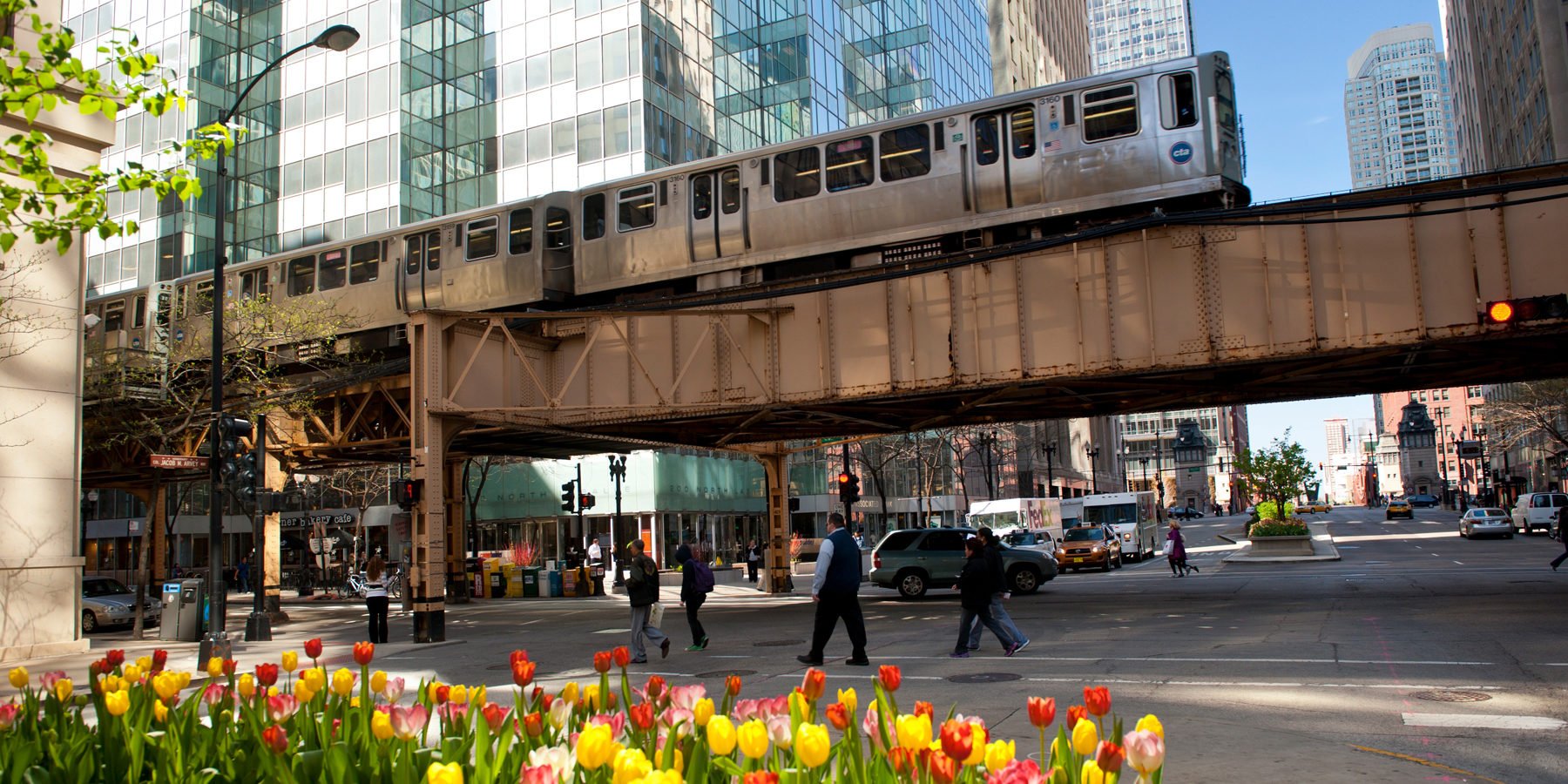
Transportation is one of Chicago's greatest strengths. The city is served by the Chicago 'L' train, an extensive rapid transit system connecting neighborhoods throughout the city, along with a comprehensive CTA bus network and the regional Metra commuter rail system. These public transit systems serve communities across northeastern Illinois. Together, these systems provide multiple transportation options for commuting, recreation, and regional travel.
Chicago is also one of the country's most connected transportation hubs. O'Hare International Airport and Midway International Airport provide domestic and international air service, while Interstate highways radiate outward in every direction. Cycling infrastructure continues to expand, and Divvy bike-share stations, protected bike lanes, and the Lakefront Trail provide additional transportation alternatives throughout much of the city.
Education
Chicago is home to one of the nation's largest public school systems, along with a broad network of charter schools, magnet schools, private schools, and independent educational institutions. Because educational options vary significantly throughout the city, prospective residents are encouraged to research individual schools and districts based on their specific needs and priorities.
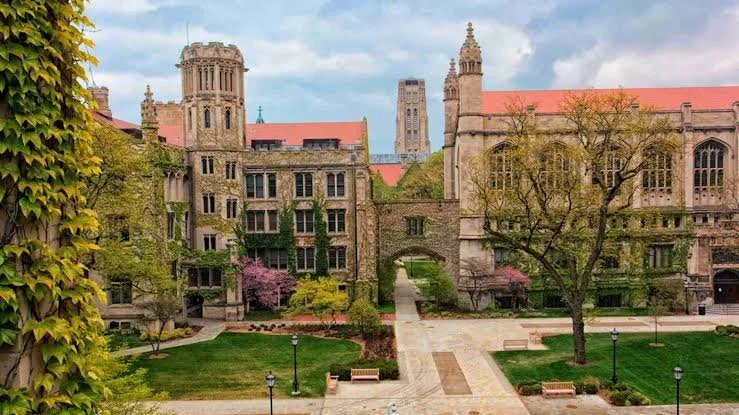
Higher education also plays an important role in Chicago's identity. Institutions including University of Chicago, Northwestern University, DePaul University, University of Illinois Chicago, and numerous additional colleges contribute to the city's economy, research, healthcare, and cultural life.
Annual Events & Community Traditions
Chicago's event calendar reflects its role as one of the country's premier cultural destinations. Throughout the year, residents and visitors can enjoy festivals celebrating music, food, art, architecture, film, and neighborhood traditions. Signature events include Taste of Chicago, the Chicago Air and Water Show, the Chicago Marathon, Lollapalooza, and the city's annual holiday celebrations.
Beyond these nationally recognized events, nearly every neighborhood hosts its own street festivals, farmers markets, cultural celebrations, concerts, and seasonal programming. This neighborhood-based approach to community events contributes to Chicago's unique identity, allowing each part of the city to celebrate its own history and culture while remaining connected to the larger metropolitan community.
Thinking About Moving to Chicago?
Moving to Chicago involves much more than choosing a home. Finding the right neighborhood, understanding transportation options, exploring housing styles, and getting to know the city's many communities are all important parts of the relocation process.
If you're considering a move to Chicago or the surrounding suburbs, download my Chicago Relocation Guide for an even deeper look at neighborhoods, housing, transportation, and local resources. You can also browse current homes for sale or schedule a consultation to discuss your goals and the communities you're considering.
If you have additional questions, shoot me a quick message and I’ll be sure to respond quickly.